Hazelnut Farm
Around 250 hazelnut trees in Sakarya, Turkey, and one harvest a year.
ongoing · Farming · Harvest · Machinery
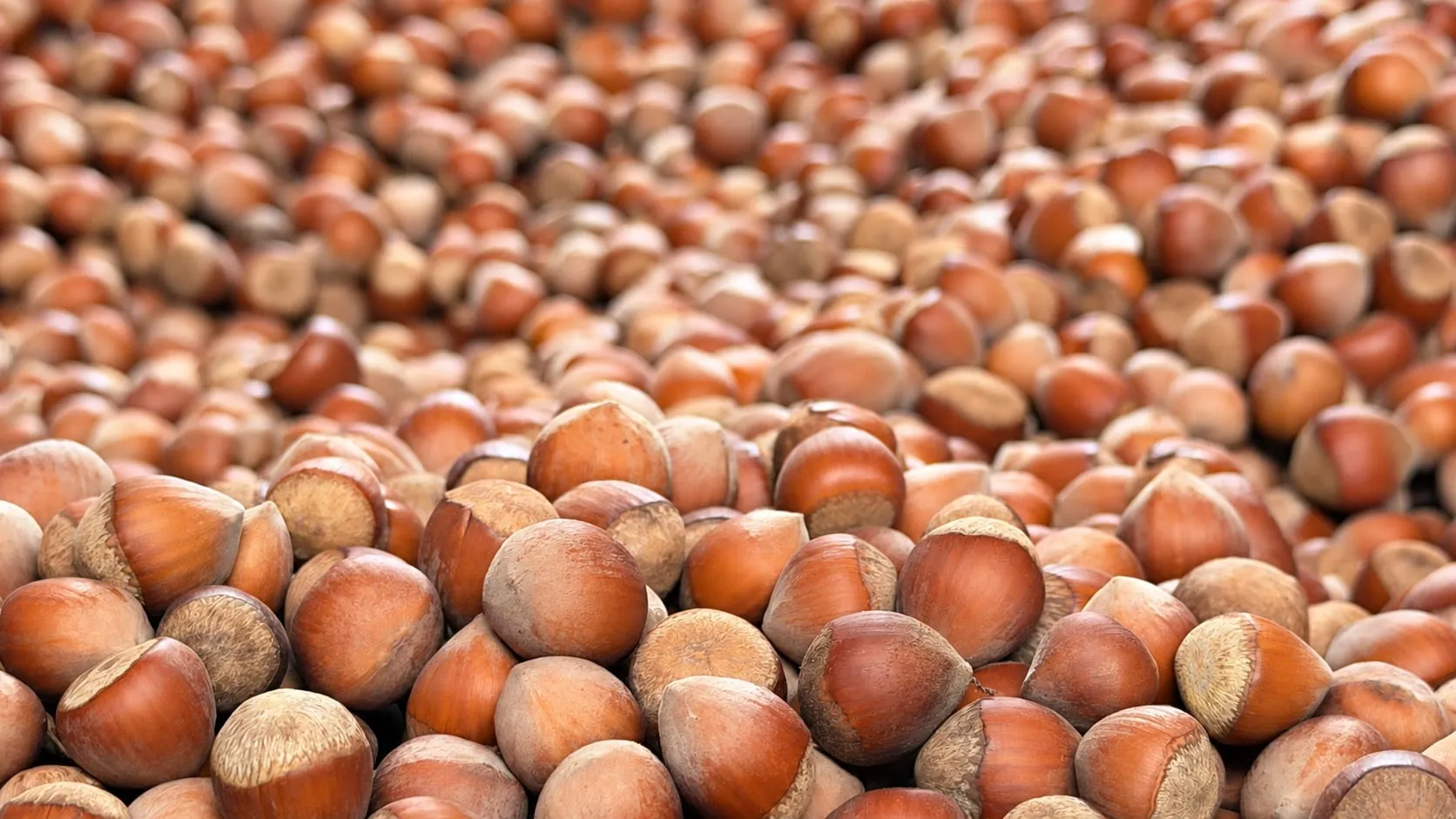
This one has nothing to do with software. My hazelnut farm is in Sakarya, Turkey, near the Black Sea coast. My great-grandfather planted the first trees in the area shortly after the Second World War. Before that the land grew wheat. Hazelnuts gave more, so he switched. Trabzon already grew hazelnuts back then, but that region is very mountainous and ours is flatter. Today I have around 250 trees. That’s 1.5 to 2 tons a year, depending on the weather, how much rain we get, and how many insects show up.
We used to pick by hand, straight from the tree. Later we collected what fell to the ground, and we kept improving on that over the years. Now the work starts a month before the nuts come down, when we clear under the trees with a brush cutter and a blower so that nothing is in the way later. Then we wait until the nuts start dropping on their own. That’s the signal to shake every tree, and the whole field takes a day.
After the shake, it takes two days to blow the nuts from every three rows into one line. Then two more days to rake them up, shovel them into sacks, and empty the sacks into two or three big piles in the field.
A tractor with a husking machine, the patoz, goes through the piles next. It strips off the husks, green or already half dry, and blows the leftovers out the back until only the nuts remain.
The nuts go to the yard and dry in the sun for three or four days. Then the wholesale buyer comes to measure the randıman. He takes 150 grams, still in the shell, from different spots in the pile, cracks them, and looks inside every one. He throws out the bad ones and weighs what’s left. That weight as a share of the 150 grams is the randıman, basically how full the nuts are. As far as I know, anything above 50 percent counts as good.
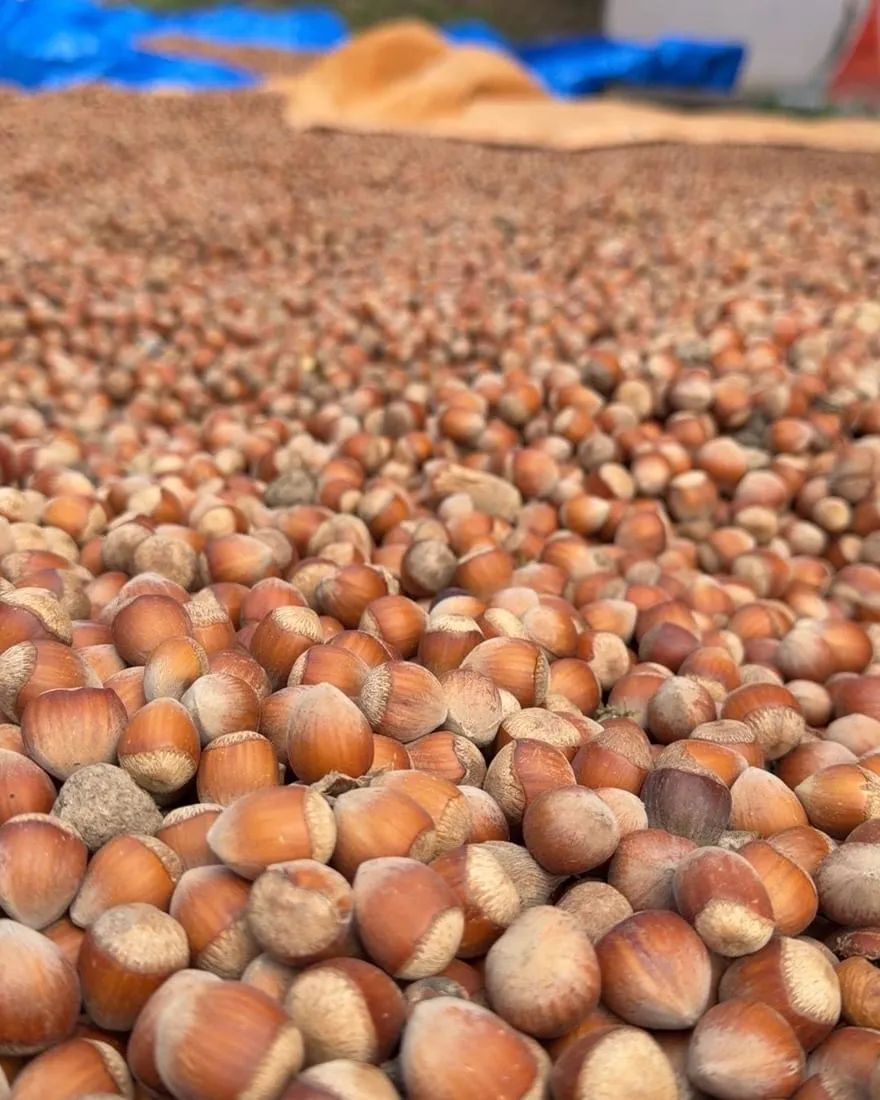
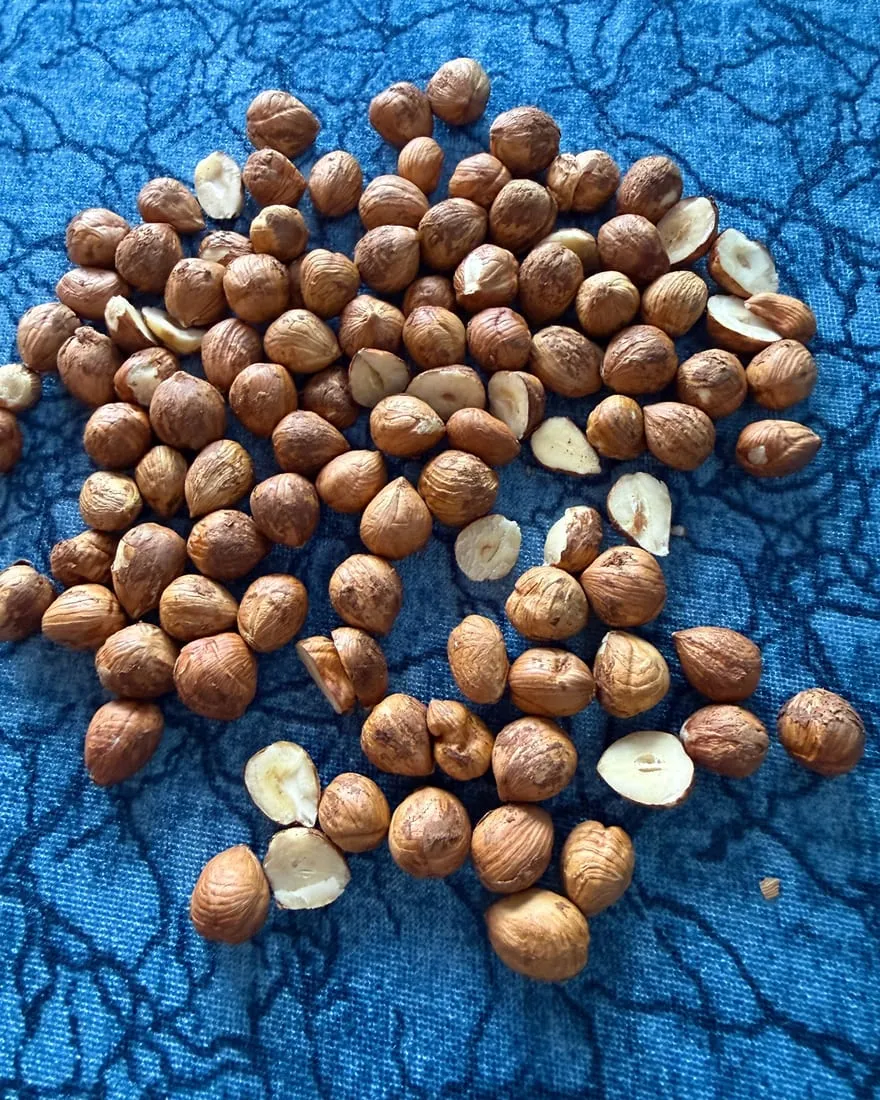
Depending on the quality, he makes an offer per kilo, or takes the lot and lets us choose when we get paid: right away at today’s price, or later, at whatever the price is by then. When he takes them, he also brings a machine that removes the stones, and the dried nuts leave in sacks on his truck.
My great-grandfather started this farm after the war, and three generations on it’s mine. Most of my year is software in Munich. The harvest is the exception. It’s hard, physical work, and every year it ends the same way: a yard full of nuts drying in the sun and a buyer cracking his 150 grams. I wouldn’t want to miss it.